 Gateway Academy
 Design Technology
“Good buildings come from good people, and all problems are solved by good design.” Stephen Gardiner
“What is design? It’s where you stand with a foot in two worlds- the world of technology and the world of people and human purposes- and you try to bring the two together.” Mitchell Kapor
Curriculum Intent
“Design and technology is an inspiring, rigorous and practical subject. Using creativity and imagination, pupils design and make products that solve real and relevant problems within a variety of contexts, considering their own and others’ needs, wants and values. They acquire a broad range of subject knowledge and draw on disciplines such as mathematics, science, engineering, computing and art. Pupils learn how to take risks, becoming resourceful, innovative, enterprising and capable citizens. Through the evaluation of past and present design and technology, they develop a critical understanding of its impact on daily life and the wider world. High-quality design and technology education makes an essential contribution to the creativity, culture, wealth and well-being of the nation.”
-
Through their study of the Gateway Design & Technology Curriculum, we intend that pupils will:
-
Develop the creative, technical and practical expertise needed to perform everyday tasks confidently and to participate successfully in an increasingly technological world
-
Build and apply a repertoire of knowledge, understanding and skills in order to design and make high-quality prototypes and products for a wide range of users
-
Critique, evaluate and test their ideas and products and the work of others
-
Understand and apply the principles of nutrition and learn how to cook
The Curriculum
The Gateway Design and Technology Curriculum meets the requirements of the National Curriculum as well as many of the principles set out by the scheme’s main authors, Primary DT.
From Year 1 to Year 6, all children study the 5 different strands of Design and Technology all sequenced through the principles of Design, Make, Evaluate and Technical Knowledge.
- Cooking and Nutrition
- Textiles
- Mechanical Systems
- Structures
- Electrical Programming
These strands are then repeated over the course of their time at Gateway, building in difficulty and the development of knowledge and skills. Key to our approach is progress through evaluation and reflection. Alongside practical skills and technical knowledge, the children are taught to value skills such as risk taking, determination and self awareness.
EYFS
In the Early Years, pupils will experiment to create different textures and to manipulate materials to achieve a planned effect such as potato printing, building sandcastles and using playdough, lolly sticks and blocks to make structures. They will construct with a purpose in mind, using a variety of resources and simple tools and techniques competently and appropriately such as building simple vehicles from wood using saws, glue dots and wheels.
Key Stage 1
Building upon the skills and knowledge gained in EYFS and through a variety of creative and practical activities, pupils are taught the knowledge, understanding and skills needed to engage in an iterative process of designing, making and evaluating. The children are explicitly taught skills such as cutting, chopping, slicing, sewing, joining, finishing and constructing which are then repeated and built upon throughout Key Stage 2.
Key Stage 2
Using the skills, knowledge and processes gained in EYFS and taught in Key Stage 1, pupils further develop their expertise in a range of relevant contexts including the home, school, leisure, culture, enterprise, industry and the wider environment. During this time, pupils have the opportunity to design, make and evaluate while extending their skills and deepening their understanding with a wider range of tools, processes and technical knowledge.
Assessment
Through the use of electronic floor books that are worked into the lesson planning through a plenary and reference to prior learning, children are able to record work from the previous lessons and reflect on this at the start of lessons.
Teachers collect photographs and videos of learning for the children and apply them to a continuous slide set that is then kept with the year group throughout their time at Gateway, so can be used as a reference point for all future teaching and can inform planning though prior learning evidence.
Each level of learning builds upon the previous learning in that strand, so the production of a well made product that was designed, made and evaluated by the pupil is the basis for assessment.
The curriculum overview for the school is as follows:
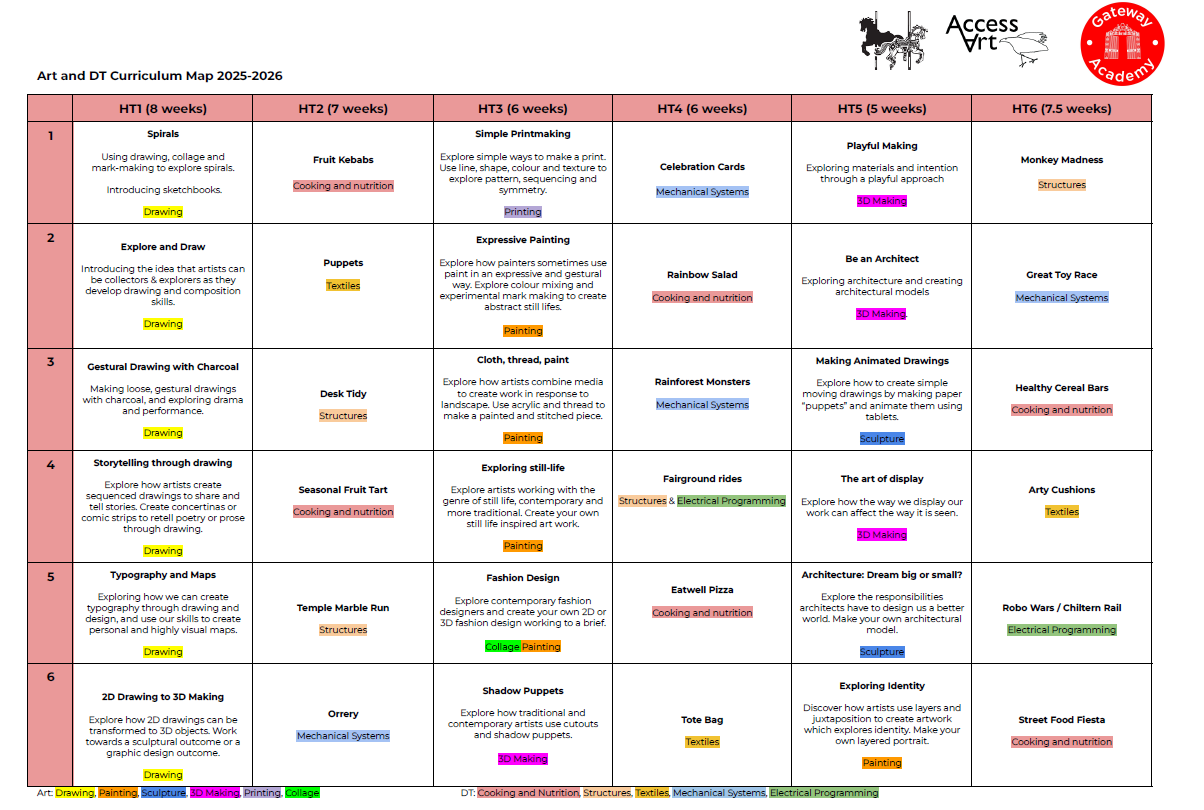
Some of our wonderful projects!
Year 1 Fruit Kebabs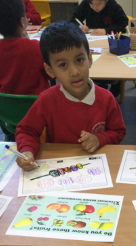
Year 2 Puppets 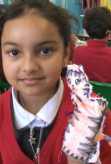
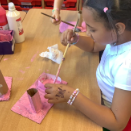 Year 3 Desk Tidy
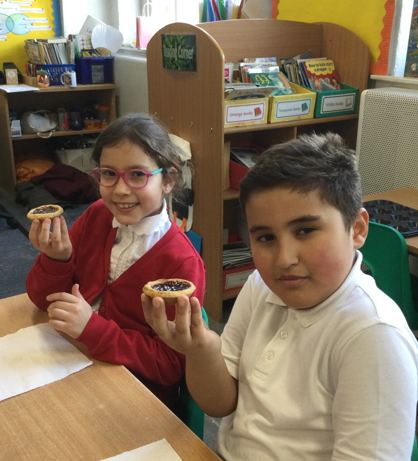 Year4 Seasonal Tarts
 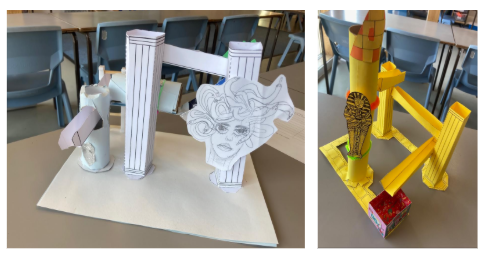 Year 5 Temple Marble Run
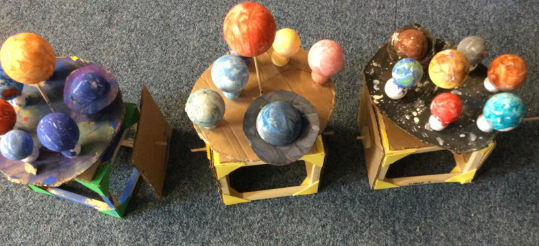
Year 6 Orrery
Additional exciting Design and Technology events held each year:
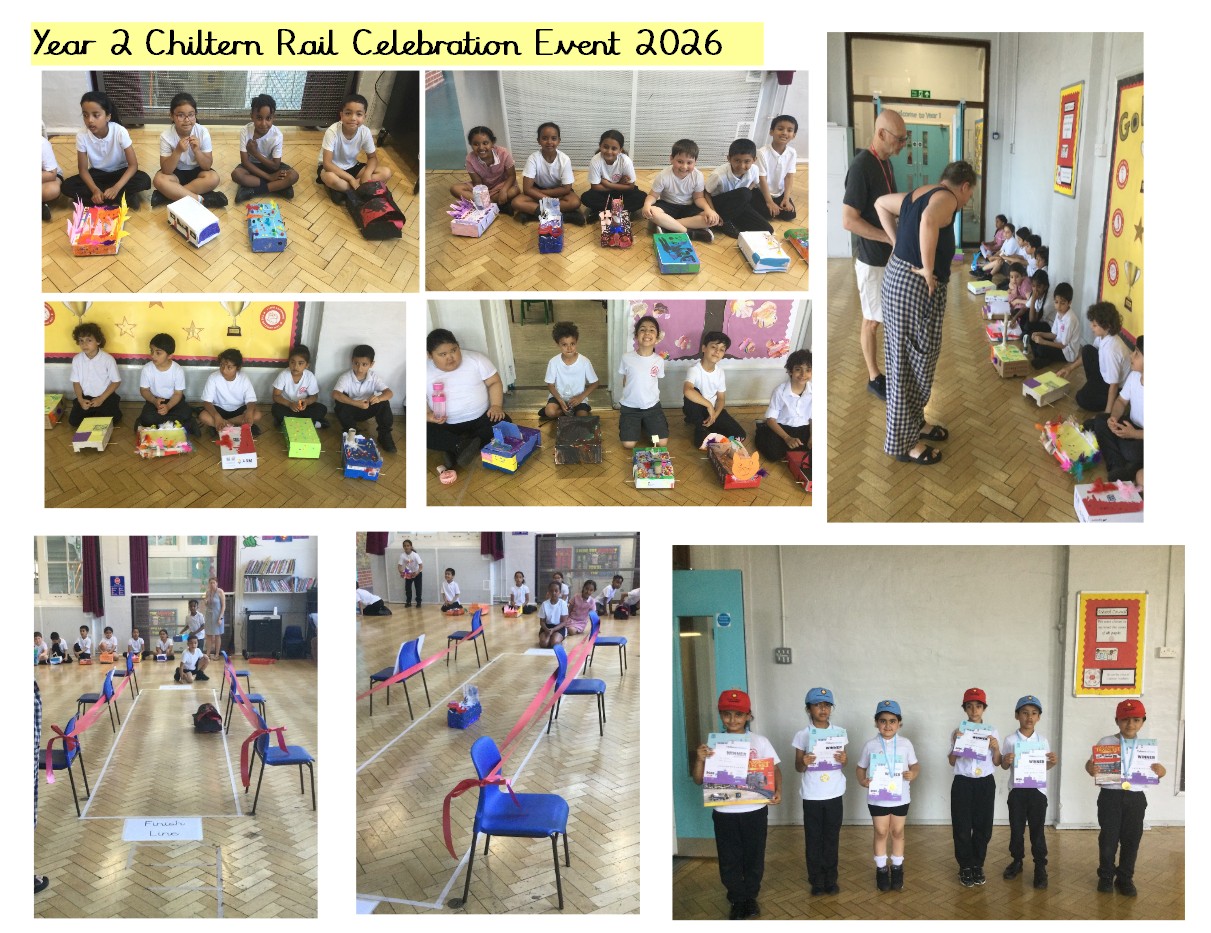
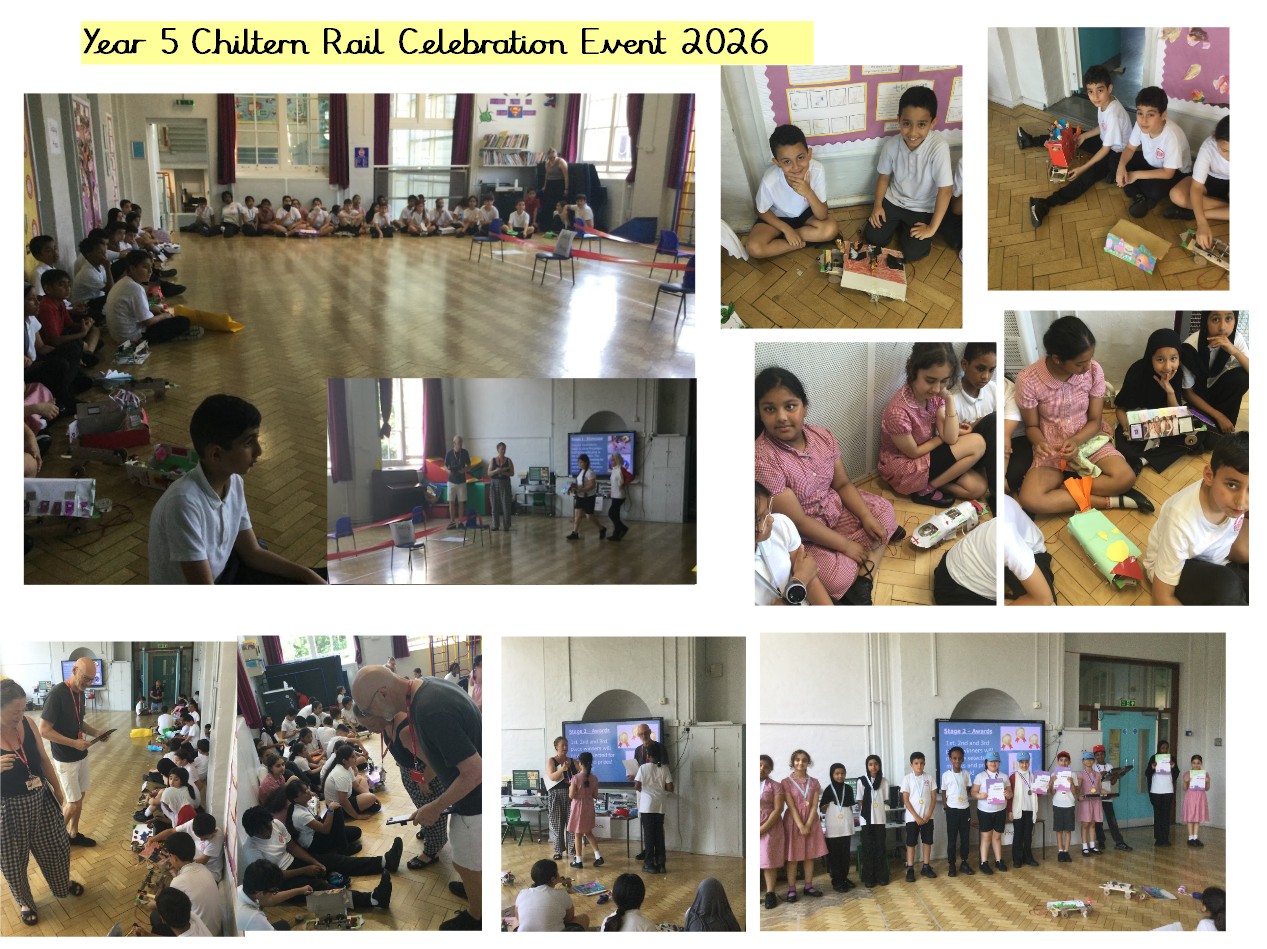
Primary Engineer Contest - Children design a product that would help people around the world. The runners-up receive certificates and the winners get to attend a special celebration event and have their product made by real engineers!
Royal Academy Summer Show - Children create their own artwork or model. The finalists have their work on display at the Royal Academy Summer Show!
Year 4 Cirque du Soleil Project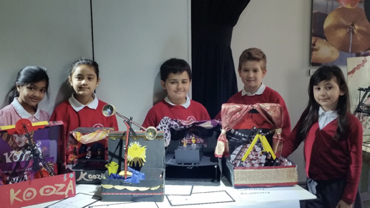
As part of Year 4's Design and Technology curriculum, the children visited the Royal Albert Hall to see the latest Cirque Du Soleil show. The children then learnt how to build their own stages with moving parts and gears.
 Year 4 worked with Rolls Royce engineers, Cirque du Soleil and The Royal Albert Hall on a design engineering project. Their brief was to design and make a prototype mechanical structure for Cirque du Soleil acrobats to perform on. In total 45 different prototypes were created by the children, all of which greatly impressed the Rolls Royce engineers. Last week, to celebrate their marvellous achievement, 6 representatives from Year 4 presented their prototypes to Rolls Royce at the Royal Albert Hall. The children's work, along with their grown-up presentation skills, amazed all who attended which included several other schools from around England.
How Parents Can Help
Design and Technology is everywhere. We are surrounded by it but often don't think about how and why things are the way they are. Take a moment with your children to consider some of the everyday household items that you own which have been affected by advances in Design and Technology. How have they changed in recent years and why? If your child has a keen interest in D&T then click on the links below. This will take you to a number of webpages which will help them to develop their D&T knowledge and understanding.
Further Support And Useful Weblinks
- The Institute of Engineering and Technology produces home learning resources and activities for 5-11 year olds.
- Engineering@Home sets weekly STEM (Science, Technology, Engineering and Maths) challenges.
- Dyson Foundation The James Dyson Foundation has 44 of the best science and engineering tasks to keep children's minds active at home.
- Neon Brilliant Inspiration - brings STEM to life through real-life engineering.
Alternatively you can try some of the wonderful projects listed below:
- Balloon-Powered Sponge Boat: Create a simple boat that can be powered by a balloon, using materials like a sponge.
- Catapult: Build a working catapult using craft sticks, rubber bands, and a spoon.
- Marble Run: Use a cereal box or other materials to create a marble run or maze.
- Bridge: Design and build a bridge to test its strength, using worksheets for planning.
- Earthquake-Proof Building: Challenge your kids to design a building that can withstand a simulated earthquake.
- Minibeast Hotel: Construct a hotel for bugs and insects using natural and recycled materials.
- Upcycled Clothes: Give old clothes a new life by upcycling them into something new.
- Sock Narwhal: Create a fun craft by turning a sock into a narwhal.
- Stone Age Clothing: Design and make clothing inspired by Stone Age outfits.
- Levers and Linkages: Make moving crafts like a waving hand, a snapping crocodile, or a moving dragon using worksheets for guidance.
- DIY Speaker: Make your own basic speaker to learn about simple electronics.
- Automata Animals: Build simple moving toys using cam movements with worksheets that can help.
- Design a Room: Use a "colour, cut, and stick" template to design a bedroom, living room, kitchen, or bathroom.
- 3D Room Drawing: Draw a room in 3D, either with a template or by learning to draw in isometric perspective.
- DIY Calendar: Make a calendar with a template or design your own.